

After arriving back in Hirosaki from the ryokan in the rural mountains of Aomori, we went to the JR office at the station to get tickets to Kakunodate. The lady printed out all our tickets in Japanese, including the city names, so it was a bit difficult to figure out what tickets were for where without the internet, but we eventually figured it out. First we had to take a JR limited express to Shin-Aomori station in a non-reserve car then we would jump on the Hayabusa to Morioka (11:52-12:45). Hayabusa are reserved seating only so you must have a ticket. Then we took the Komachi to Kakunodate (13:35- 14:20). This ticket confused me. We were assigned seats in car number fifteen, but the train only had seven cars….Apparently this train is like that, they only use cars 11-17, but seeing as our tickets were all in Japanese, this scared me. We arrived at Kakunodate station at 2:20pm and walked to our Airbnb, arriving just after 3pm which was the agreed upon meeting time for our host, but he wasn’t there. We stood at the front of the house for about half an hour before he drove up. Our host was a super friendly man, who toured us around the house and joked about how we shouldn’t contact him after 5pm because he would be drunk. He also told me not to wear my touque in the woods because it had too pom pom like bear ears and the bears would claim me as one of their own. We then had a beer and relaxed in our Airbnb, it had been a long day with an even longer journey, all the way from the rural mountains of Aomori to Kakunodate, Akita. We did leave the place later that evening, but only briefly to visit a Lawsons to buy omelette rice for dinner. We curled up in our futon and fell asleep.
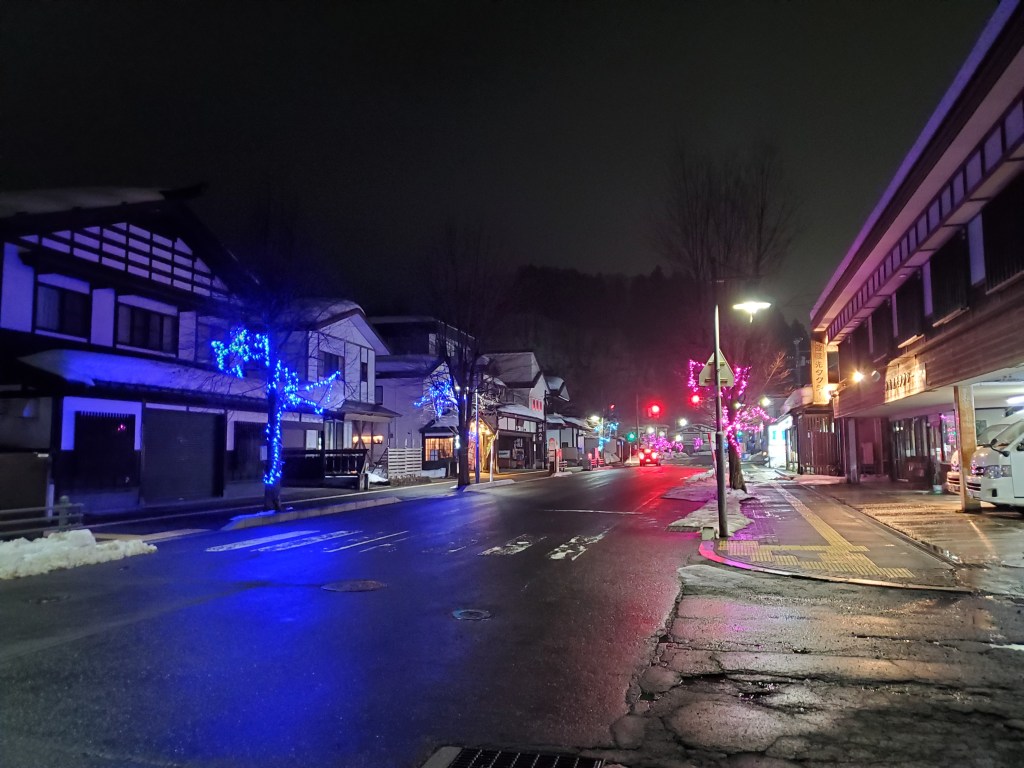
We decided to have a local day in Kakunodate after all the train and transportation days we had been having. I made us a coffee using the little drip things from the kombini and then went to the Family Mart to get us some breakfast onigiri. I also got an oden set from the kombini to finally try oden. Oden is a winter specialty in Japan, various items like fish cakes, tofu, root veggies etc are boiled in a hot soup broth. It is a great snack for the cold Japanese winters.
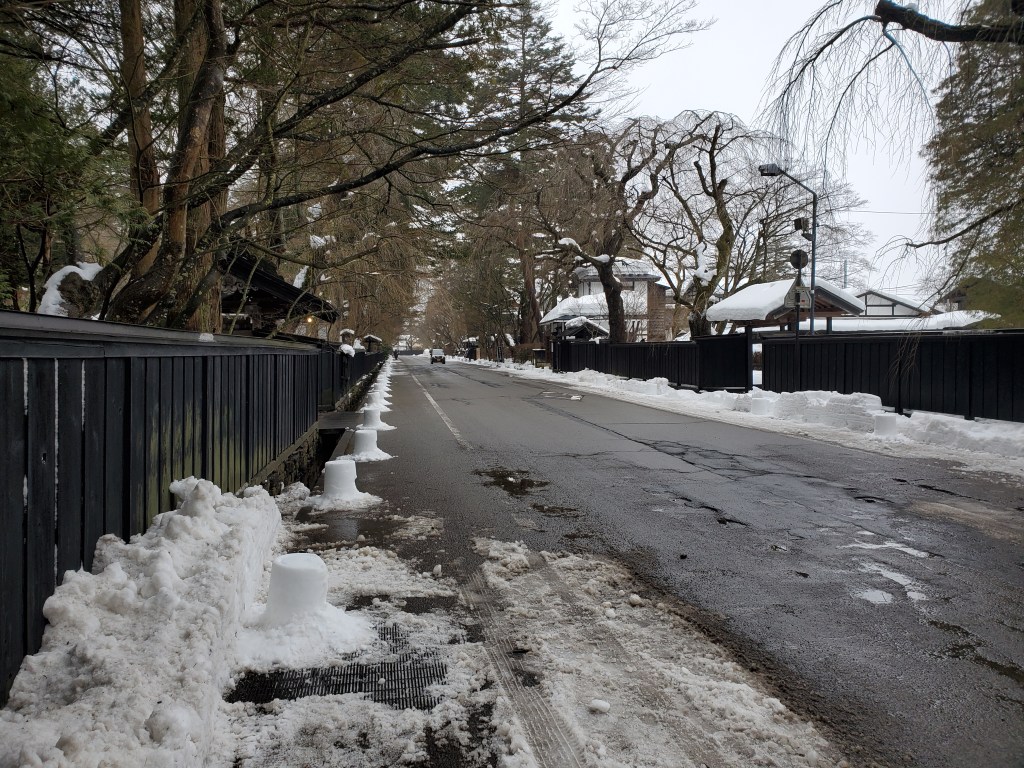
We decided to stick around in Kakunodate for the day to explore, as we had taken a lot of trains lately. We started out walking down the main old town samurai street. We went to an old samurai house called Ishiguro Samurai house (their family crest was two holly branches crossing ). A lady gave us a little tour of the place and showed us the cool turtle carvings in the ranma. The wood grain is meant to look like water, when you have candle light through them the grain looks like waves. As well the house had a special entrance for royalty, but the lady said it had never been used. We then toured the farm equipment seeing how many layers go into making a thatched roof. They had a large section of medical and botanical illustrations, as the first Japanese man who made these types of illustrations, scientific drawings and observations was a samurai from Kakunodate. I believe this man might have even been part of the same samurai family as the house we visited. The Samurai house entrance fee was 500 Yen.

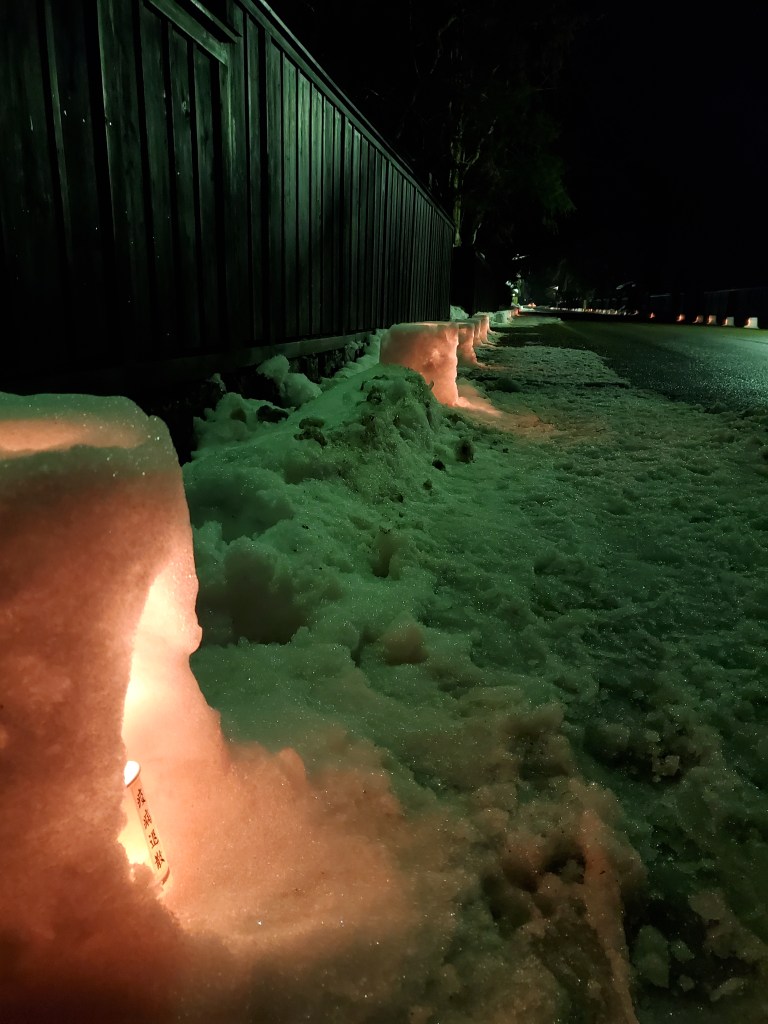
Next we continued our walk down the samurai street. We wanted to go into Aoyagi house, but there was a huge tour group, so we went back later that day. We were walking along the street admiring the kamakura and watching them be made, and a lady approached us. She was helping to make the snow domes (kamakura). She said she had seen us the day before. She was originally from Germany but had lived in Kakunodate for a long time. She told us that the fire and snow festival was the next night and told us about its significance to the locals, it meant that the end of winter was soon. The festival also gave something for the locals to do to entertain themselves in the dead of winter. She said that some foreigners took part in the fire throwing, but one got hurt and held the festival accountable. We agreed that foreigners should probably just watch the festival and not partake in the fire portion. We had quite a long conversation but eventually we went off on our way, heading towards a shrine on the other side of town.

Along the way to the shrine we saw a dog sculpted out of snow and more displays clearly intended for the festival the next night. We came across a really interesting roadside shrine, clearly the river running through it was from a thermally heated source, as steam was rising off the water and from the sewing grates on the road.
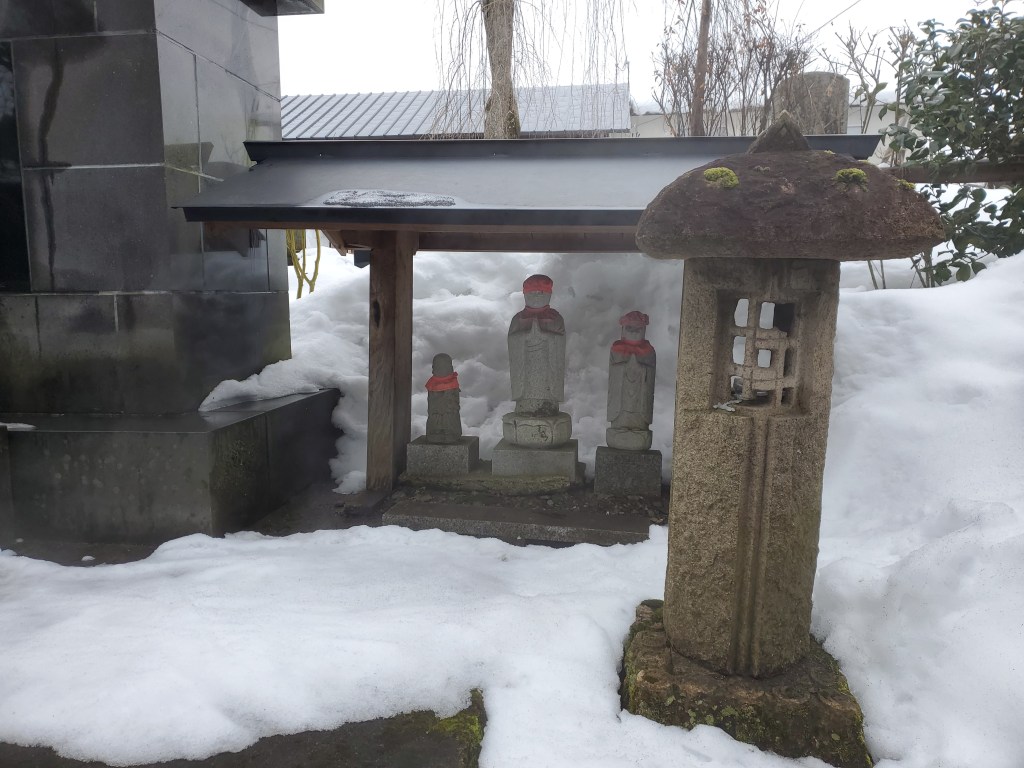
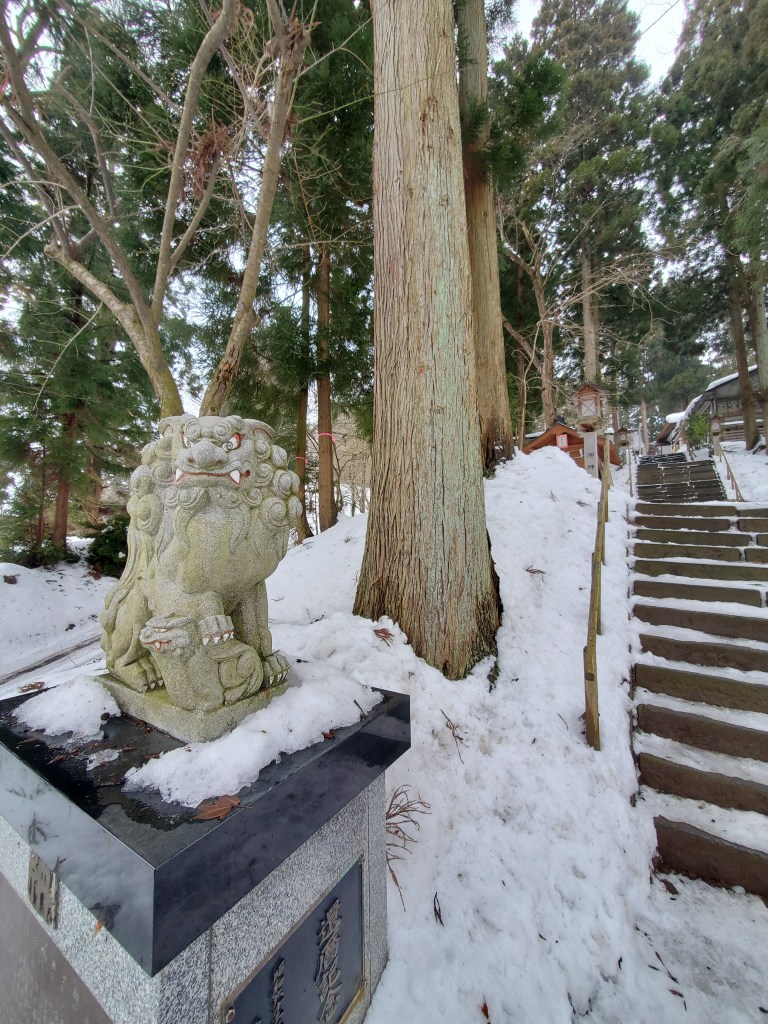
The steam was giving the shrine a very mystical feel. We continued down the street and found the shrine that we were looking for, Shinmeisha Shrine. The base of the shinto shrine has a grey stone torii gate and then a stairway leading up to the main shrine. There were lion statues at the midway point in the stairway. The stairway was lined with tall spruce trees and cedar, and everything was covering in a thick layer of snow. There was a monument to Kingo Hamada (a fallen samurai) near the top of the temple, on the spot where he died.


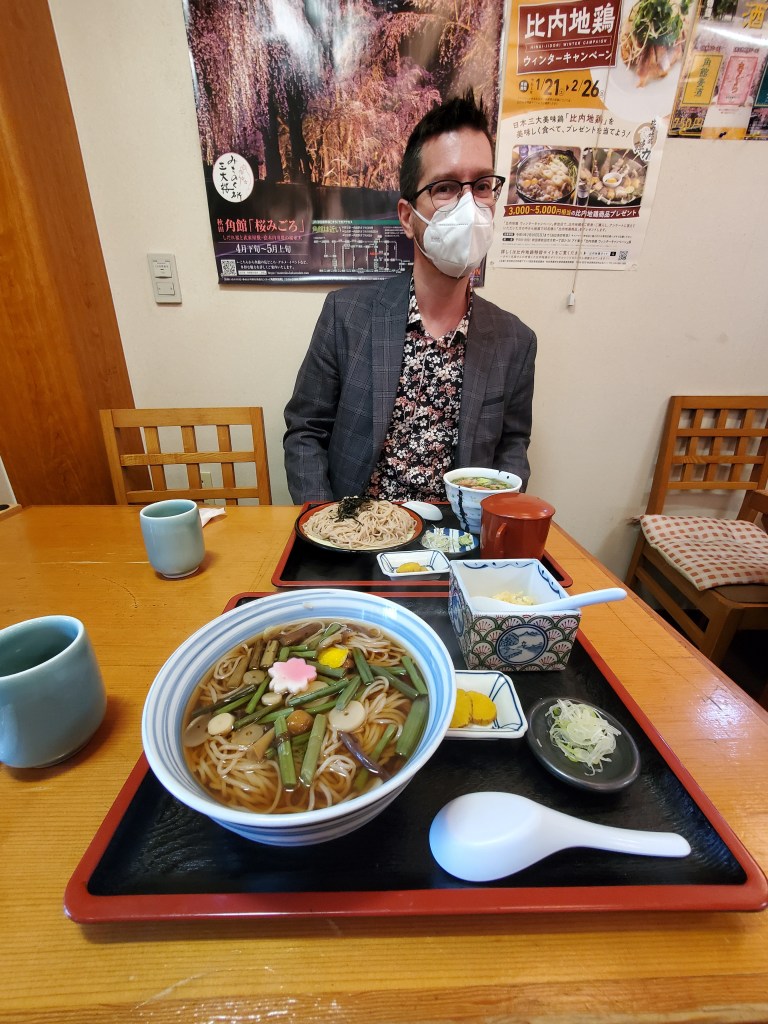
Next we walked back towards the samurai street, stopping at a little ma/ pa shop to eat lunch. I was able to order my lunch in 100% Japanese which made me proud. There was no english on the menu, but I could read the characters for mountain, vegetable and soba, so I ordered “yama yasai soba”. Jives got a soba dish too, but the kind where you dip the soba noodles into a broth. It was so hearty and warm. We also ordered a nama biru and watched t rexes on TV with the chef (pa).
We then went to the Aoyagi Samurai museum, but we made it just before 4:00pm, and it was closing at 4:30pm. We paid the 500 Yen entrance fee and went in. The first part of the museum was the old house with lots of old armour and weaponry. You lift a sword and different samurai weapons here! The second building had more medical sketches and lovely old maps of Japan that were centuries old.

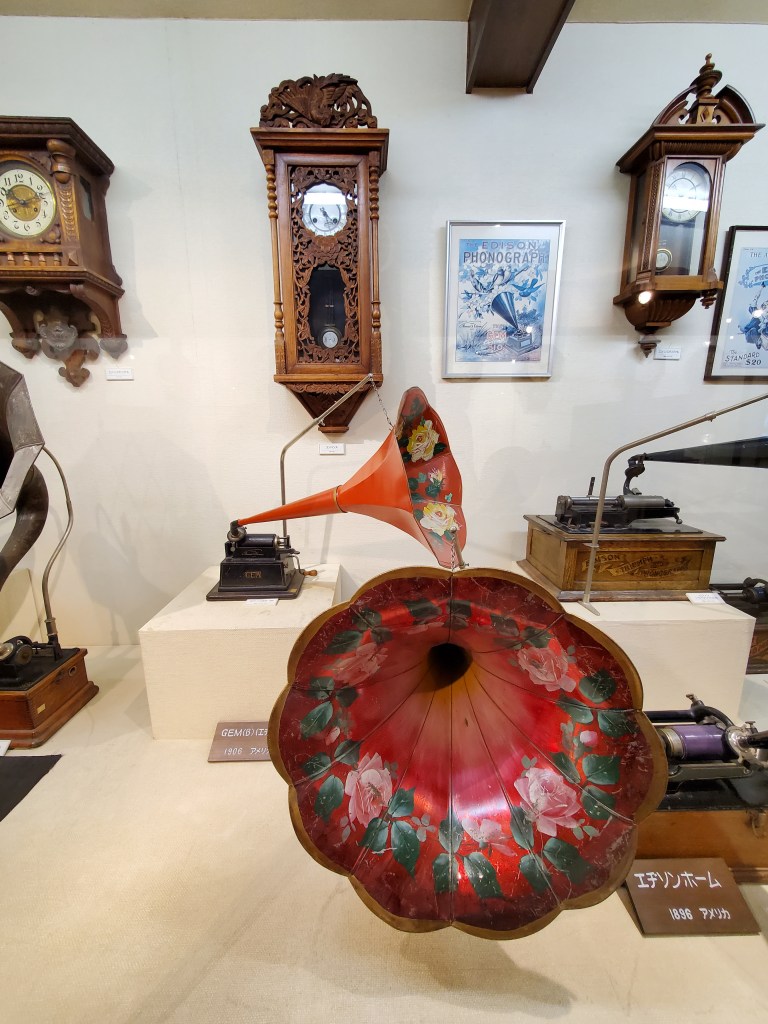
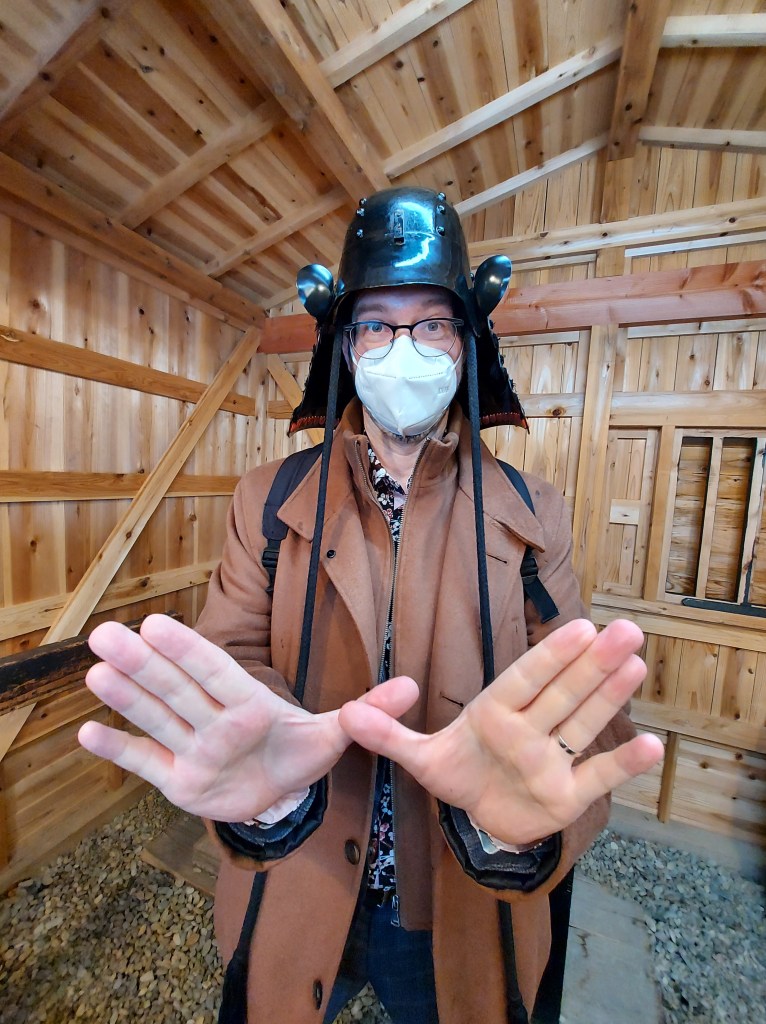
The third building was full of old records and a photo of samurai at the great pyramid in Giza. We had just seen this same odd photo in Cairo, so it was interesting to see the area that these samurai had come from. We then went to a building where you could try on an actual samurai helmet, which felt wrong! The next building was full of old gramophones and cameras. We left in a rush at 4:32pm, two minutes after close…but we certainly weren’t the last visitors to leave, so I hope that was alright.
We then went back to our airbnb to have some snacks as we planned out the next day’s trip to Yokote.
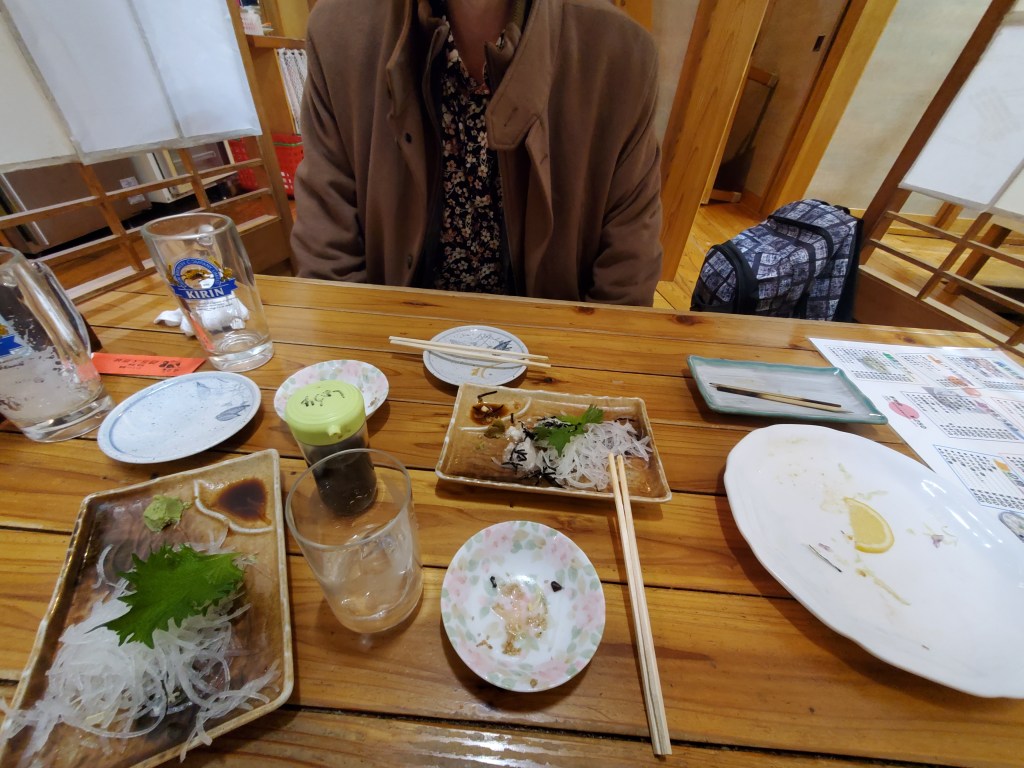
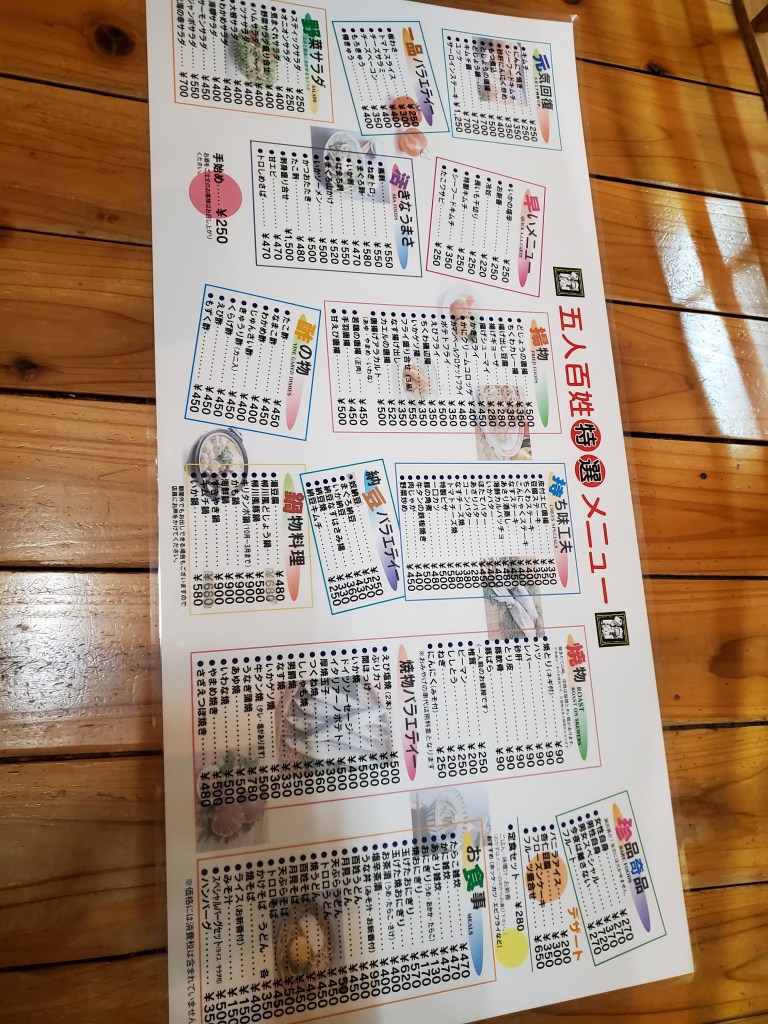
Later on that evening we went out for dinner at an izakaya nearby that had absolutely zero english. We spent what felt like years trying to translate anything on the menu. We eventually found meguro (a type of tuna) and ordered that, some leek and chicken skewers and a deep fried octopus thing. We also ordered beers. The place was really cool! We sat at a table that was sunken into the ground and sat on cushions. The floor was heated too! It was lovely, the food was lovely.. It was just very adventurous for us because we literally had to sound out every item on the menu like kindergarteners (except kindergarteners probably know what the words mean once they sound them out)…. The bill was about 3100 Yen.
 BUMBLING TOURIST
nice information and good article thank you
LikeLike